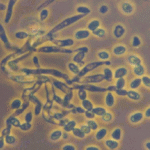




Overview of the Microbe Klebsiella pneumoniae is a Gram-negative, facultative anaerobic, rod-shaped bacterium belonging to the Enterobacteriaceae family. It is best known as an opportunistic...


Overview of the Microbe Herbaspirillum seropedicae is a nitrogen-fixing, β-proteobacterial endophyte belonging to the family Oxalobacteraceae. Initially described as Pseudomonas rubrisubalbicans by Leifson in 1962...
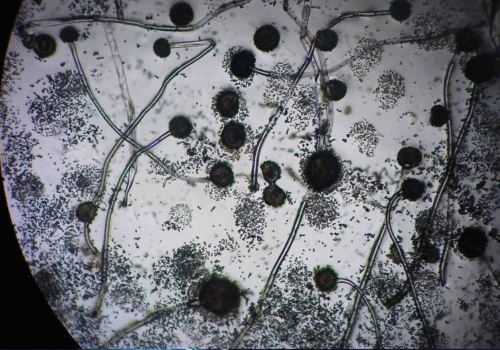
Overview of the Microbe Gluconacetobacter diazotrophicus (formerly Acetobacter diazotrophicus) is a Gram-negative, strictly aerobic, non-spore-forming, rod-shaped bacterium belonging to the family Acetobacteraceae within Alphaproteobacteria. It...
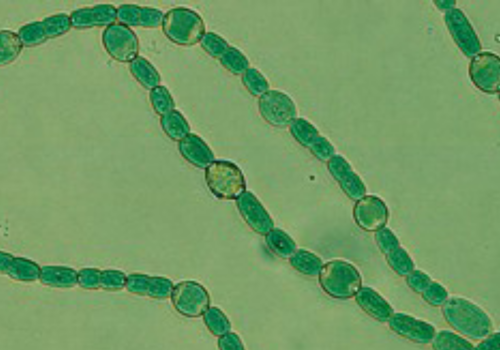
Overview of the Microbe Anabaena azollae (also called Nostoc azollae) is a filamentous, heterocystous cyanobacterium that lives only inside the aquatic fern Azolla[2][7]. It forms...

Bacillus subtilis is a robust, Gram-positive bacterium widely recognized for its adaptability and efficiency in various environments.


Overview of the Microbe Taxonomy and Morphology Bacillus mucilaginosus (synonymously known as Paenibacillus mucilaginosus in some classifications) is a rod‐shaped, facultatively anaerobic bacterium belonging to the...

Bacillus subtilis is a robust, Gram-positive bacterium widely recognized for its adaptability and efficiency in various environments.
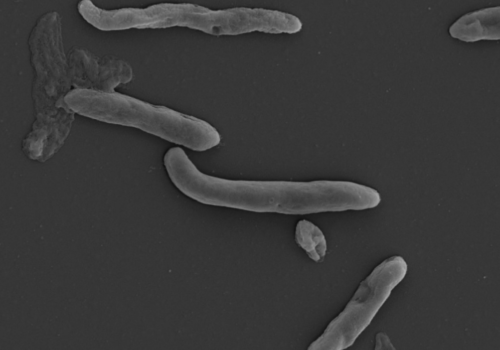
Overview of the Microbe Derxia gummosa is a gram-negative, rod-shaped, obligate aerobic bacterium recognized for its capacity to fix atmospheric nitrogen [1]. First described in...

Bacillus subtilis is a robust, Gram-positive bacterium widely recognized for its adaptability and efficiency in various environments.

Overview of the Microbe Enterobacter cloacae is a gram-negative, facultatively anaerobic, rod-shaped bacterium belonging to the family Enterobacteriaceae. Initially recognized for its opportunistic pathogenicity in...